Know your
timber.
Eighteen species, one bench. Ten grown here at home, eight brought in from further afield. Here is what each board is made of, and what it does best.
Grown at home.
Sourced from American hardwood forests. Familiar, dependable, and the backbone of everything we build.
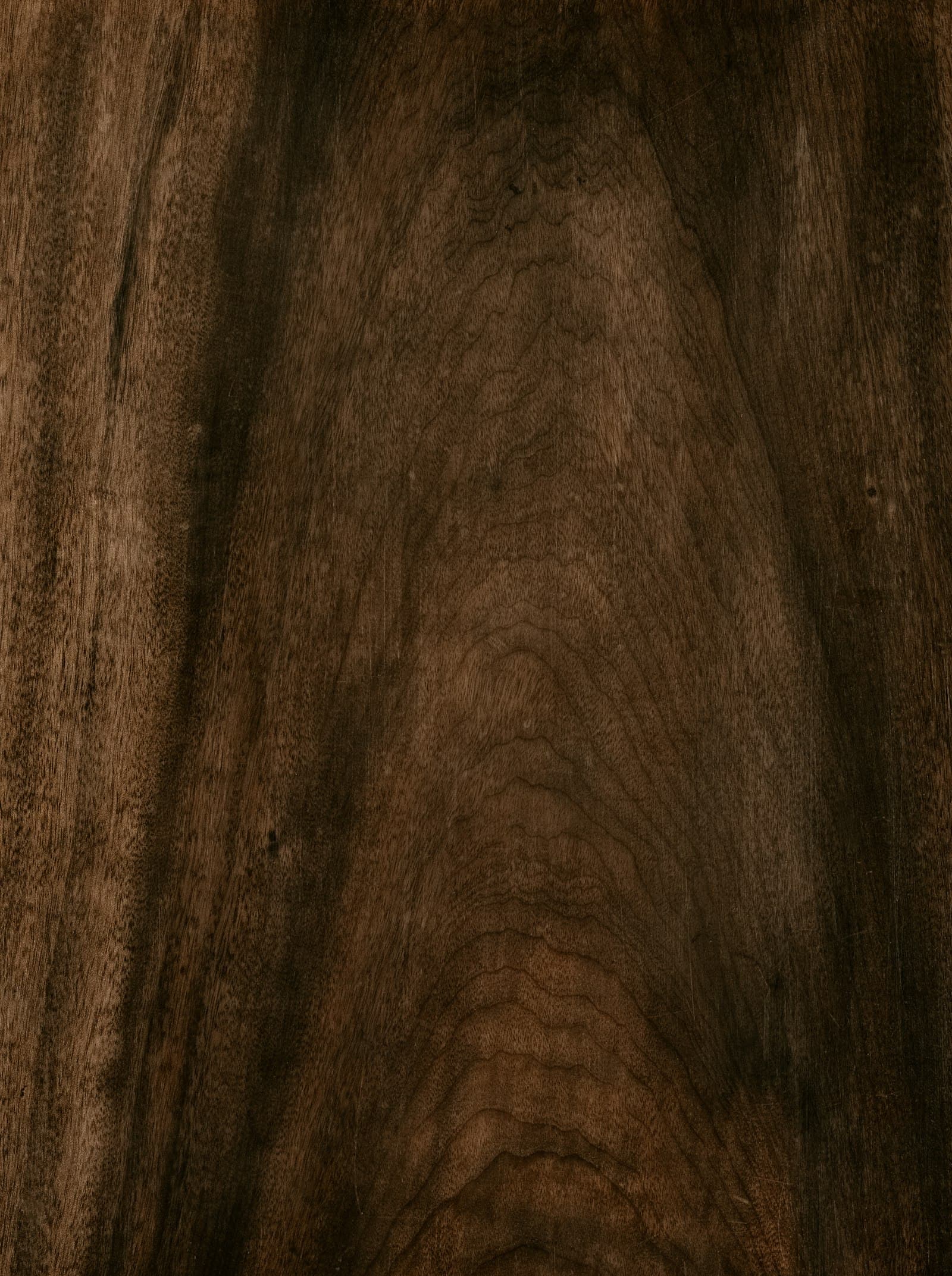
American Walnut
Deep chocolate brown with a straight, moderate grain that machines and finishes beautifully. Naturally lustrous, stable, and forgiving under a blade.
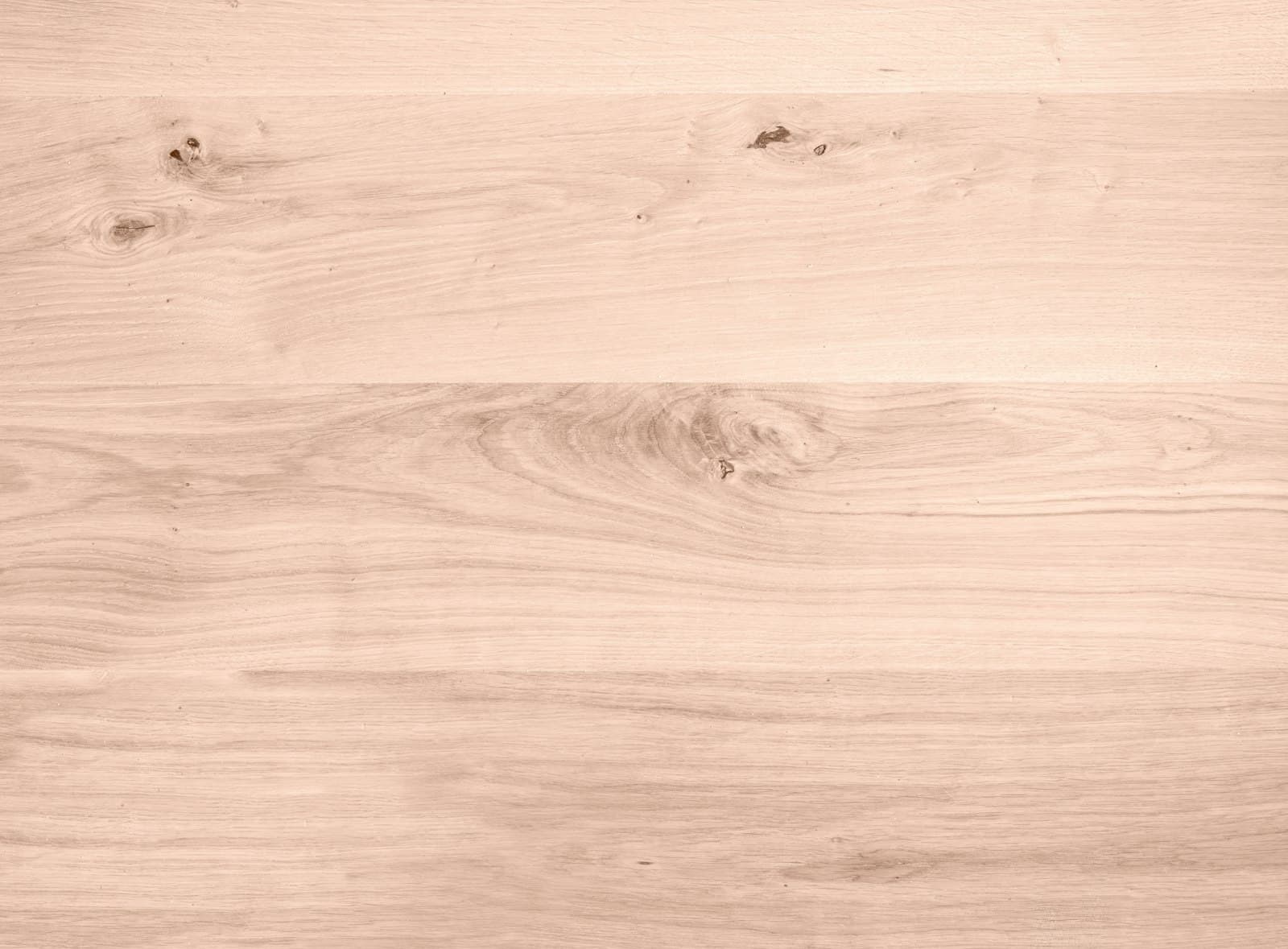
White Oak
Tight, closed pores make White Oak naturally water resistant, the same reason it lines whiskey barrels and boat hulls. Heavy, hard, and built to last generations.
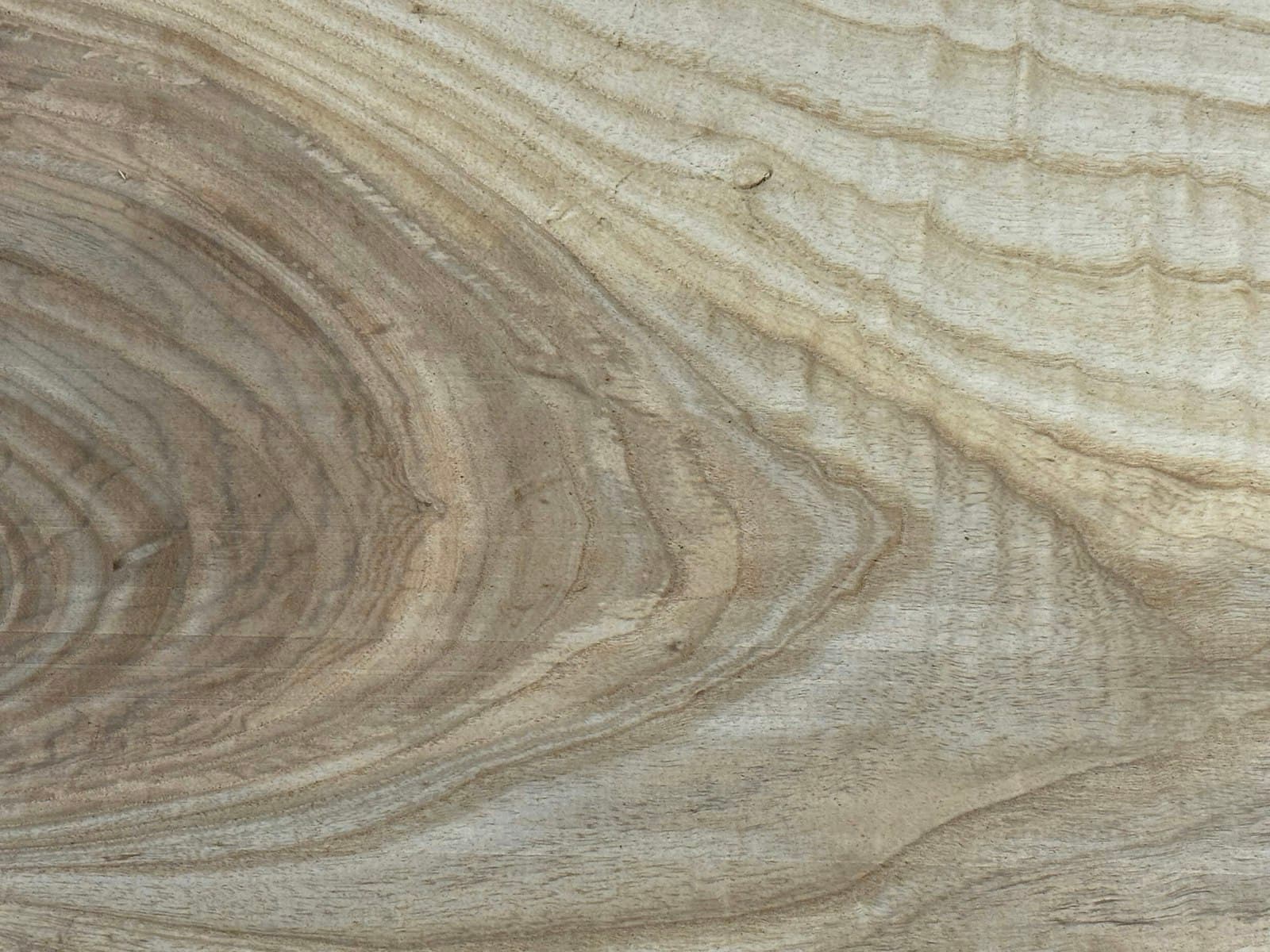
Hard Rock Maple
Dense, light colored, and tight grained enough that it resists bacteria better than almost any domestic hardwood. The industry standard for a reason.
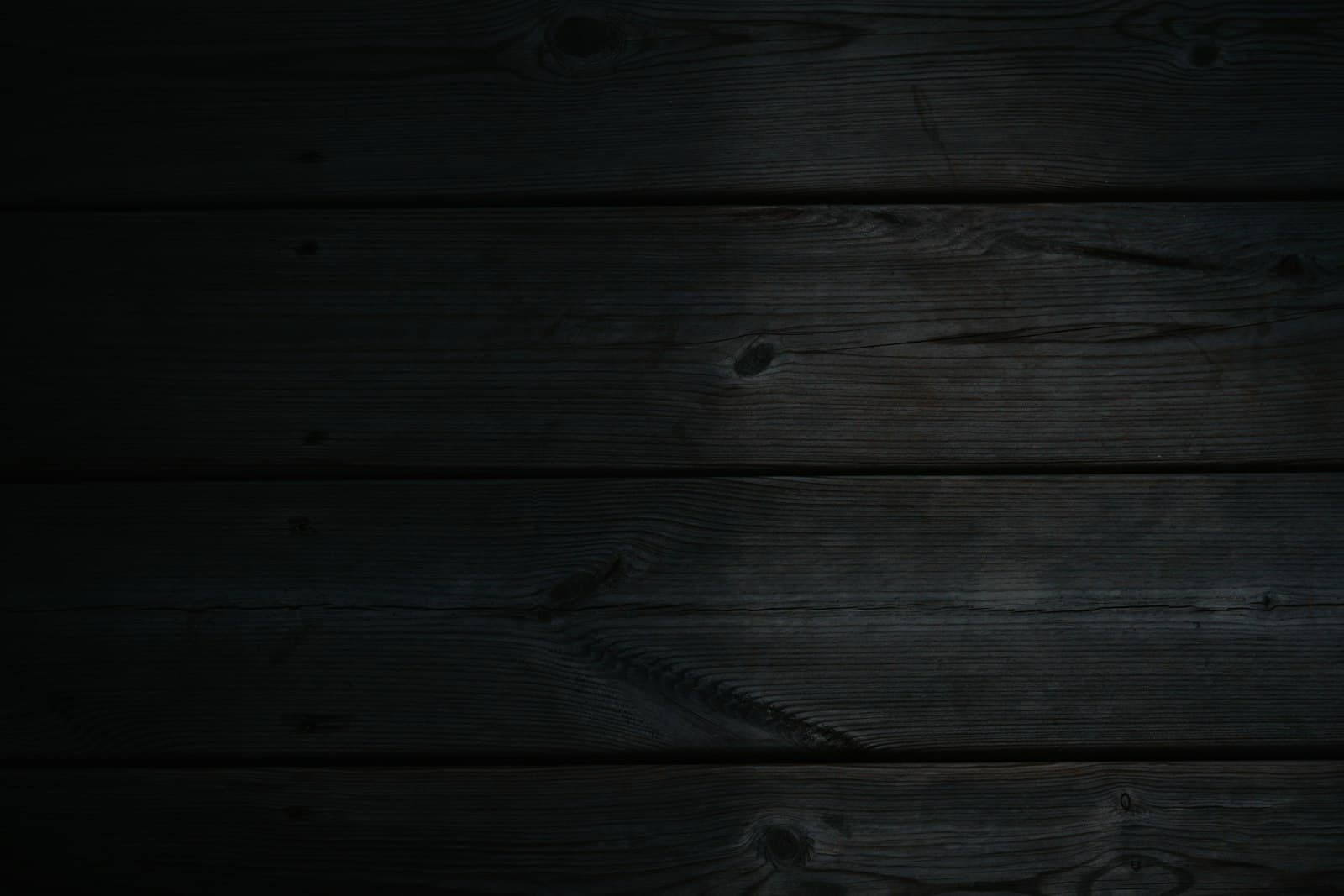
Charred Oak
An ancient Japanese technique, Shou Sugi Ban: the surface is torched, cooled, and sealed, carbonizing the outer layer for a deep black finish that resists moisture, insects, and rot.
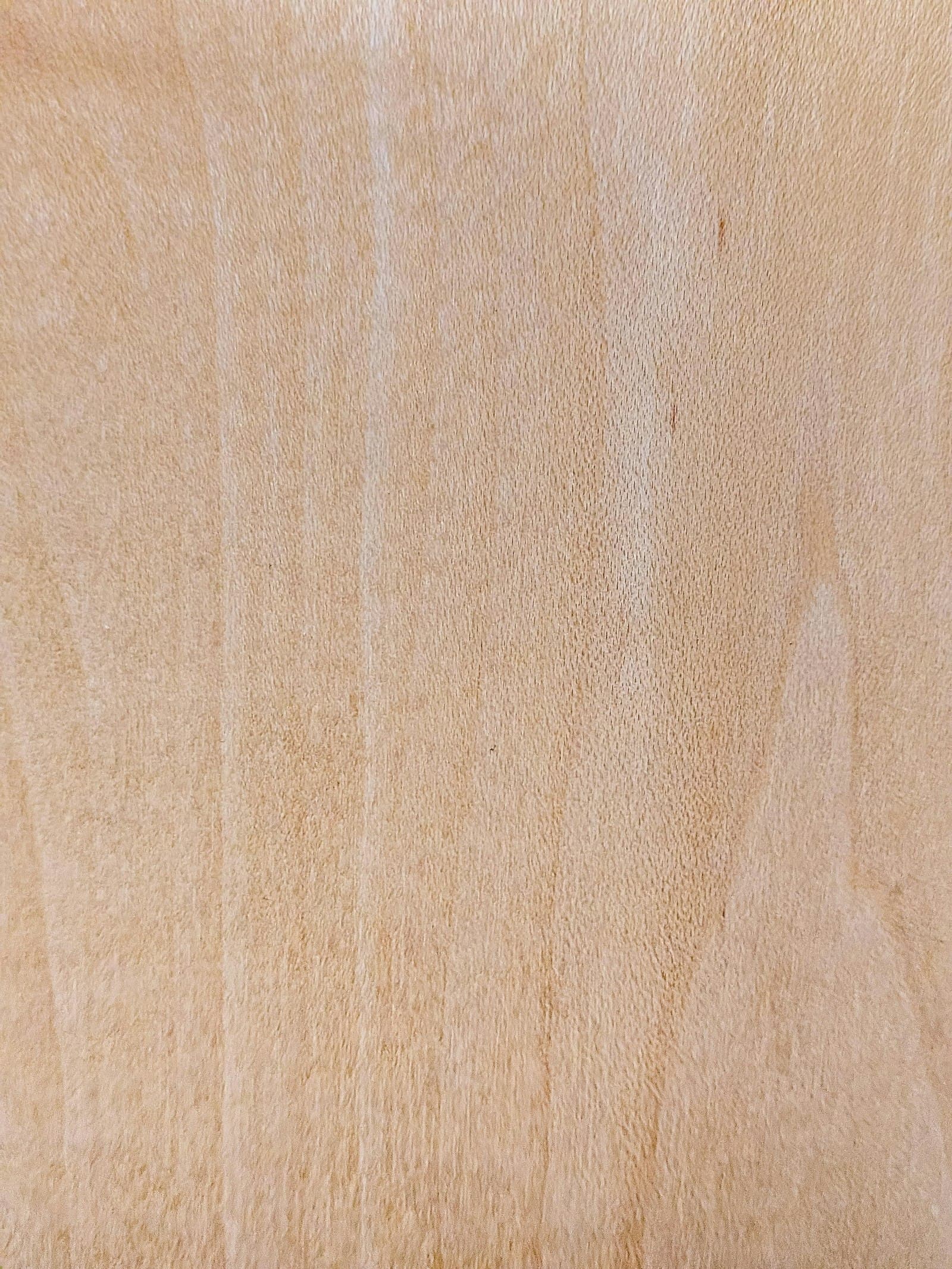
Curly Maple
Same tight grain as Hard Rock Maple, but with a rippling figure that shifts and shimmers as the light moves across it. Prized by luthiers for guitar necks.
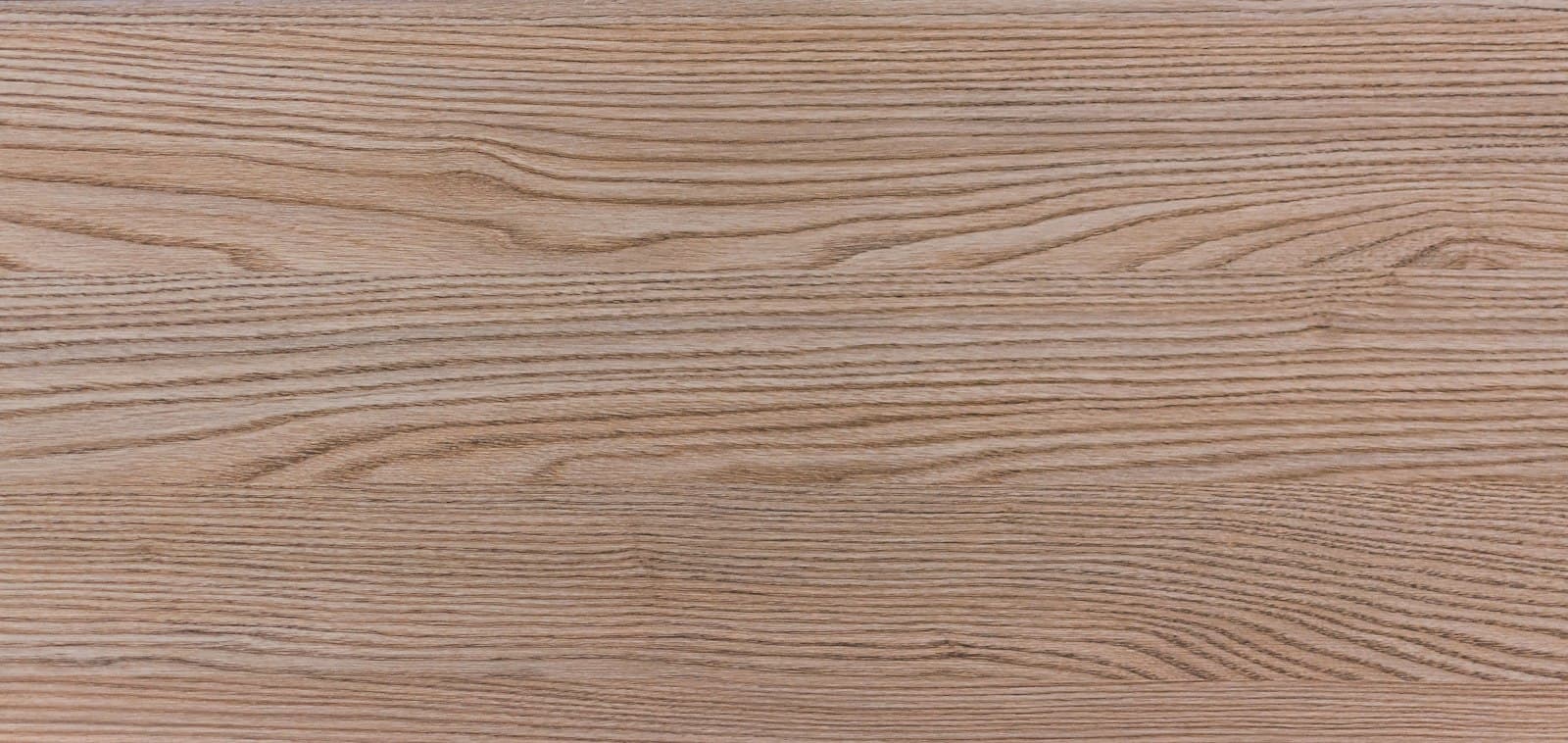
Red Oak
Pinkish tan with an open, porous grain, a looser structure than its white oak cousin. Strong and handsome, better suited to dry use than a wet cutting surface.
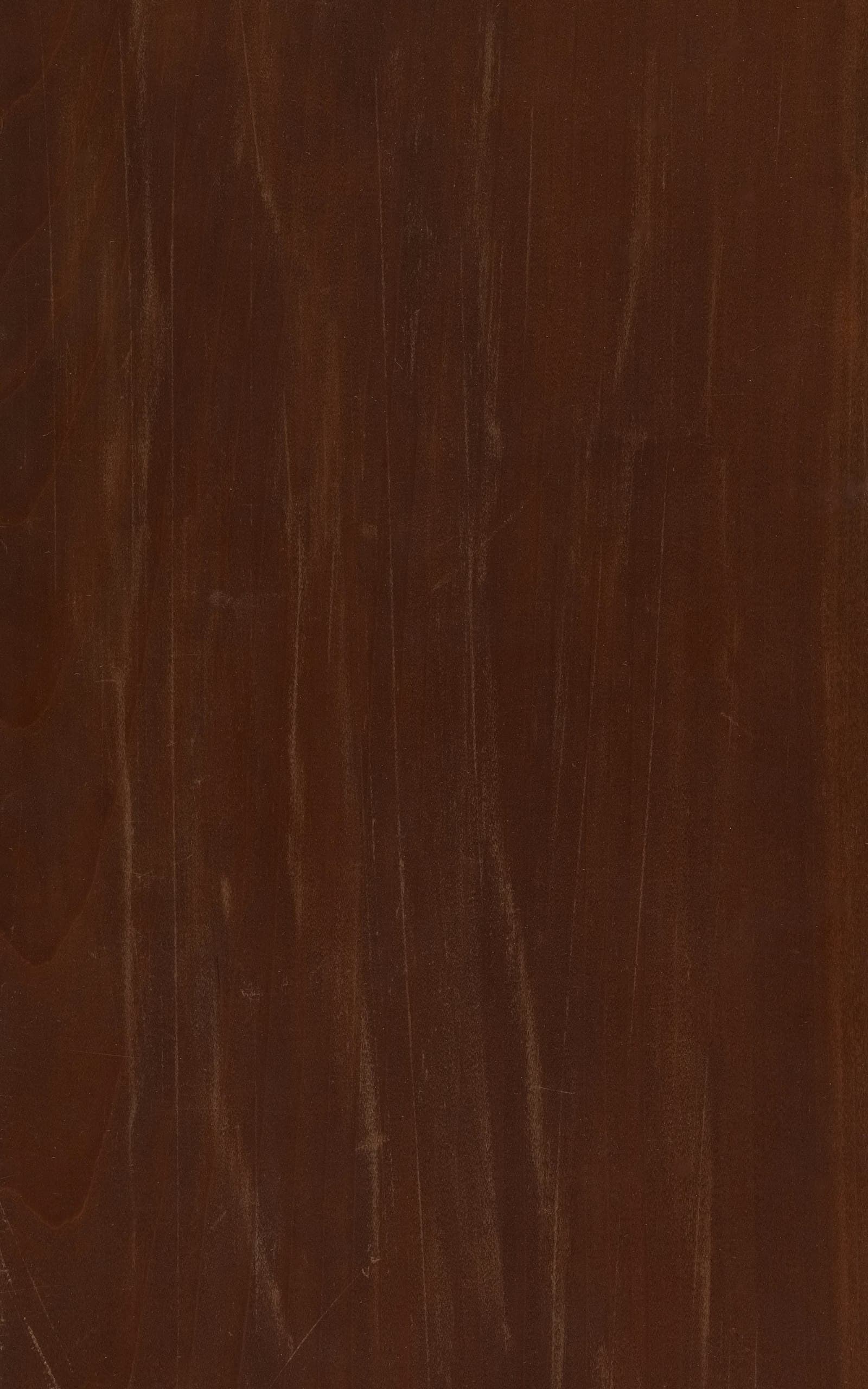
Cherry
Warm reddish brown that deepens and darkens with age and light exposure, the reason old cherry furniture looks nothing like the day it was made. Fine, even grain, easy on tools.
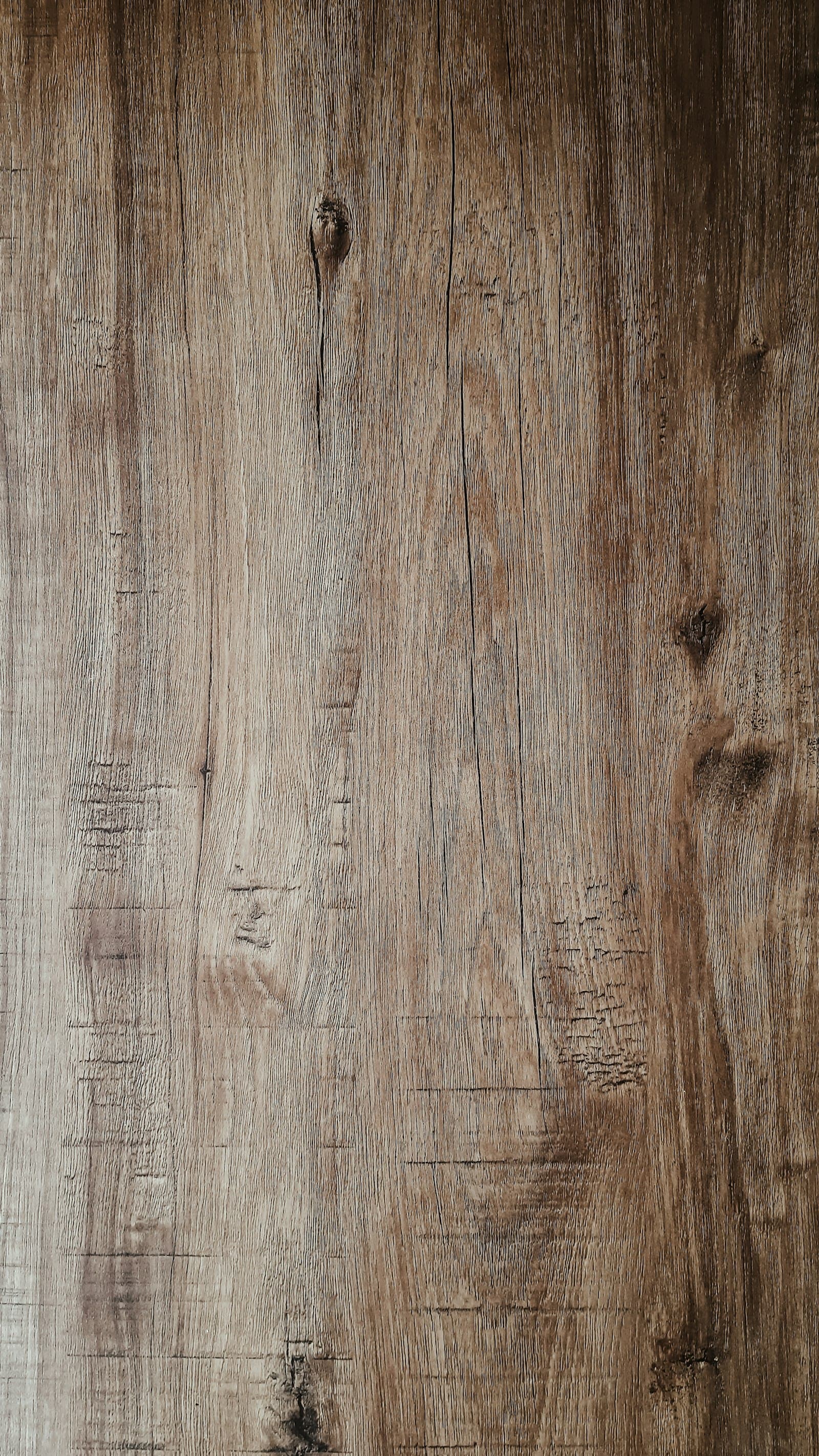
Hickory
One of the toughest domestic hardwoods, the same wood behind axe handles and drumsticks. High contrast streaks of light sapwood and dark heartwood give it a rustic, lived in look.
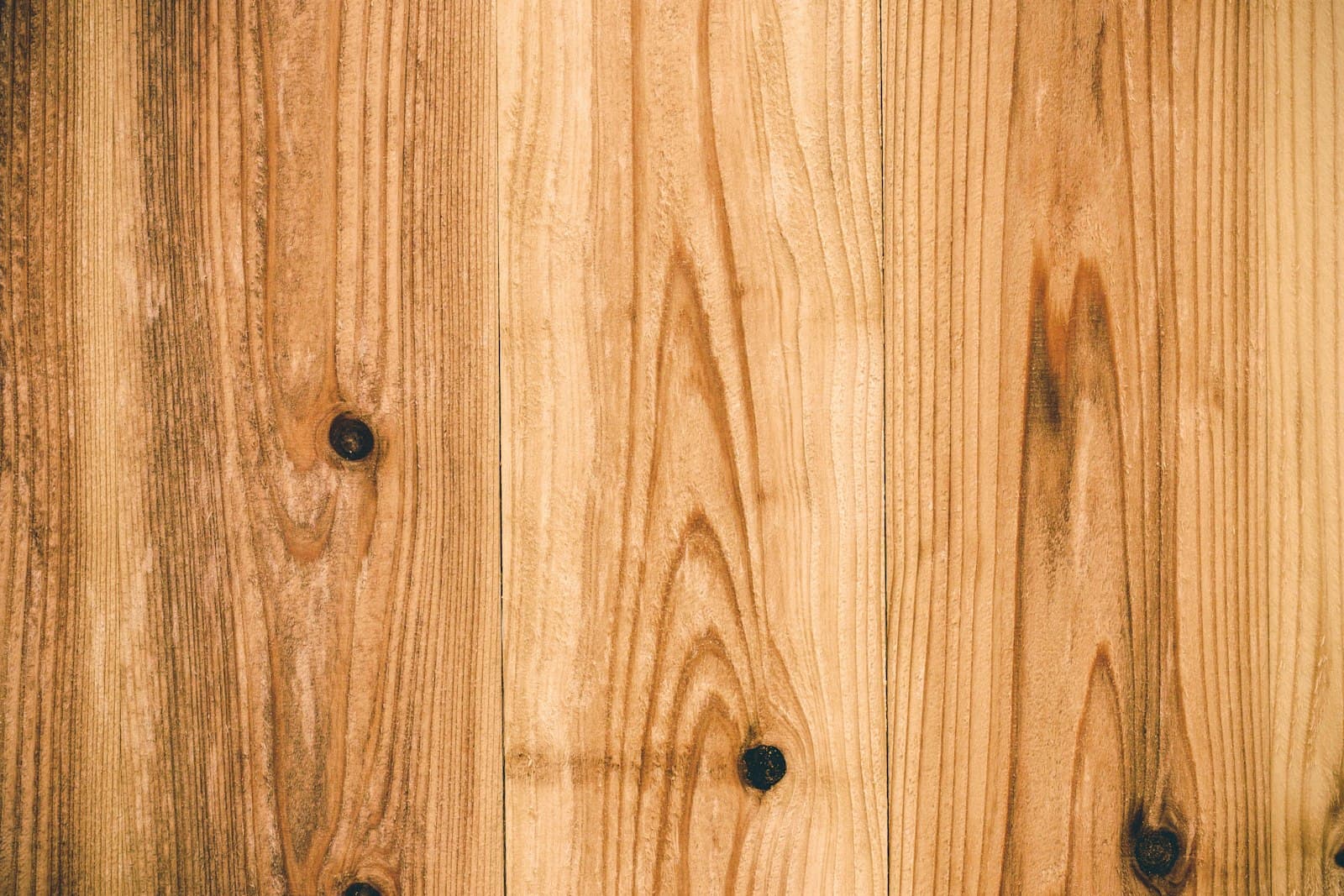
Ash
Pale and straight grained with the shock resistant strength that makes it the wood behind baseball bats and hockey sticks. A lighter, more affordable alternative to oak.
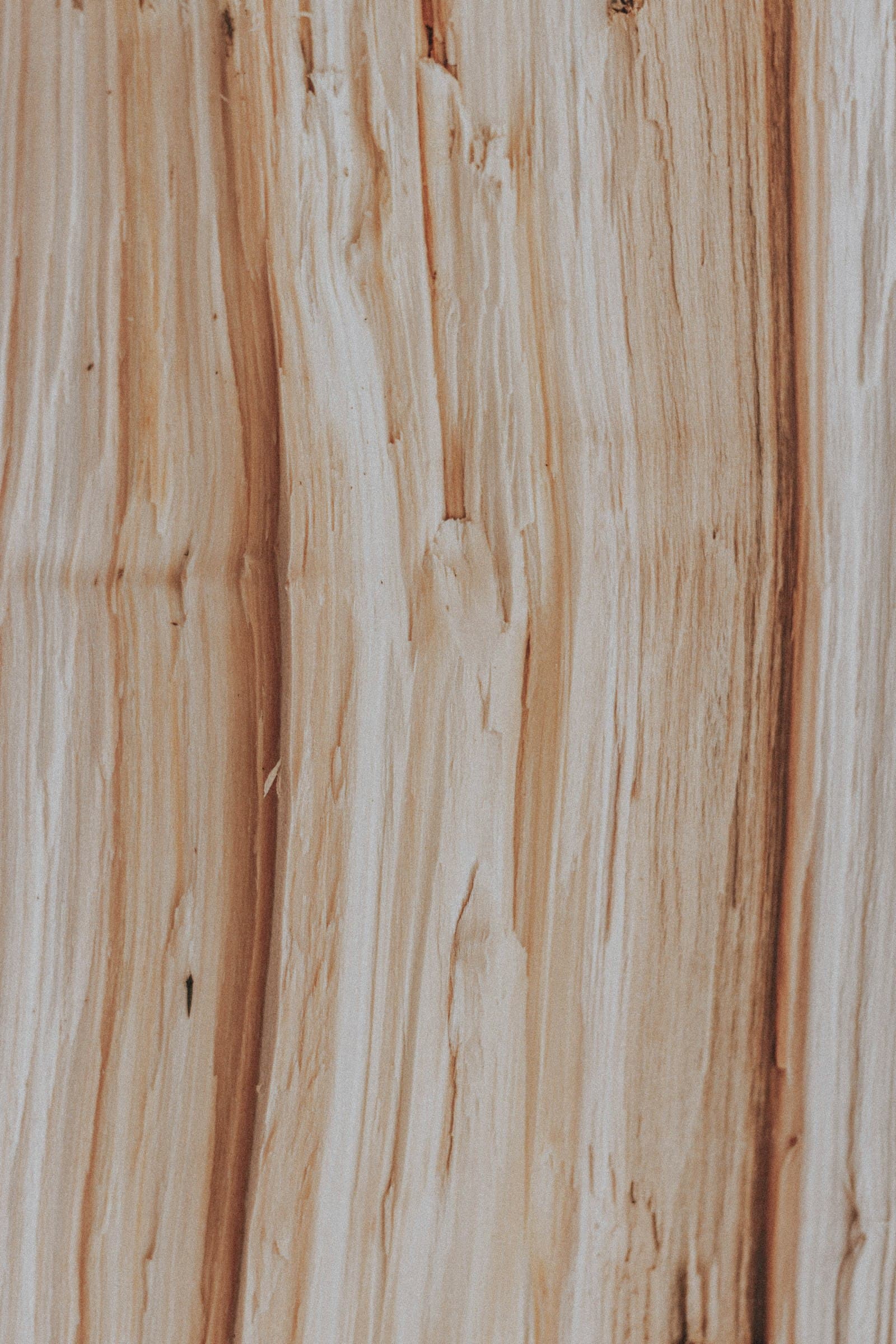
Birch
Pale cream with a fine, even grain, close in feel to maple but easier to work and easier on the wallet. Stable and consistent, board to board.
Exotic timber.
Sourced from Africa, Central and South America, and Southeast Asia. Reserved for statement pieces and accents.
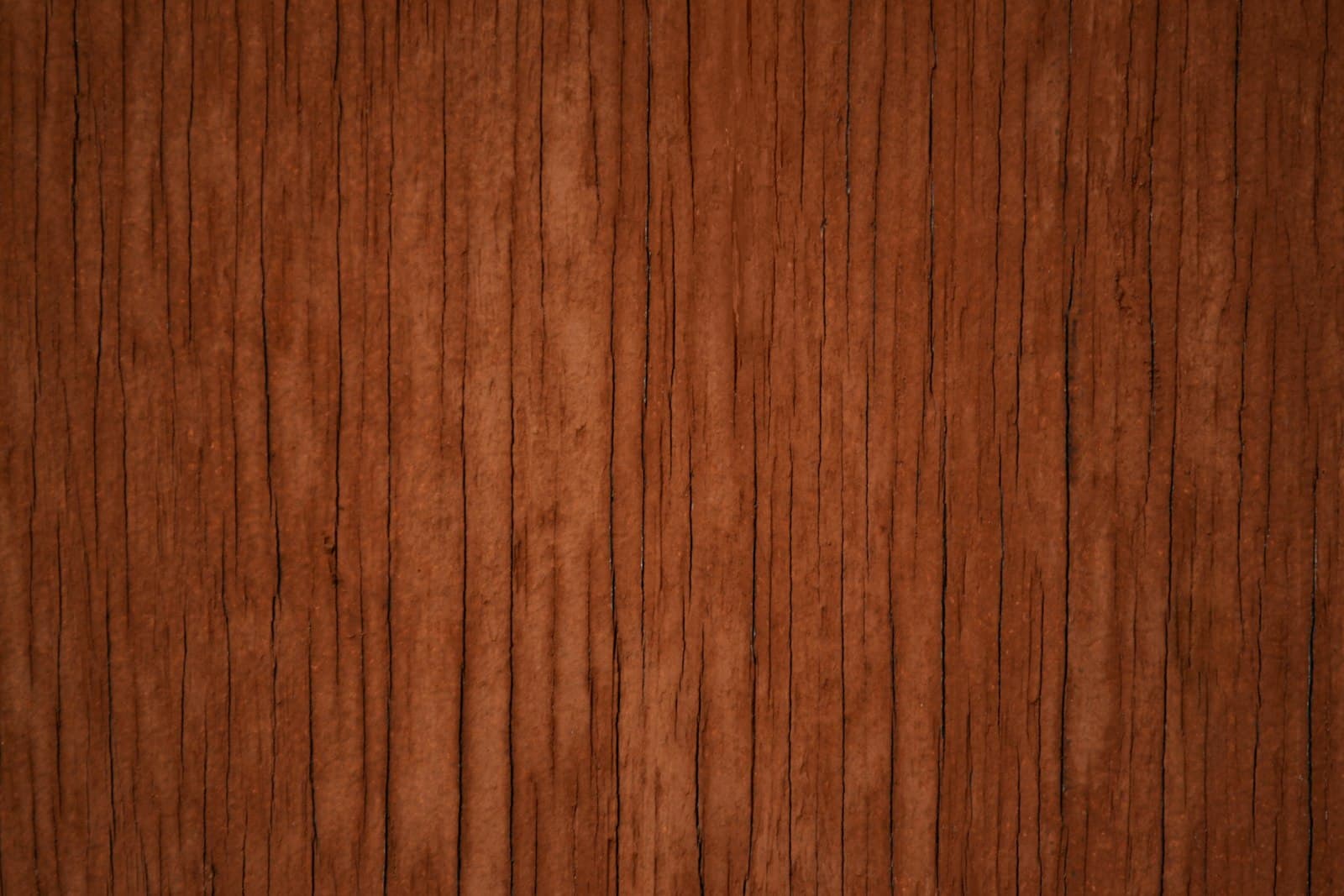
Mahogany
Reddish brown with a fine, straight, interlocking grain that barely moves with the seasons. The wood of choice for fine furniture, boat interiors, and musical instruments.
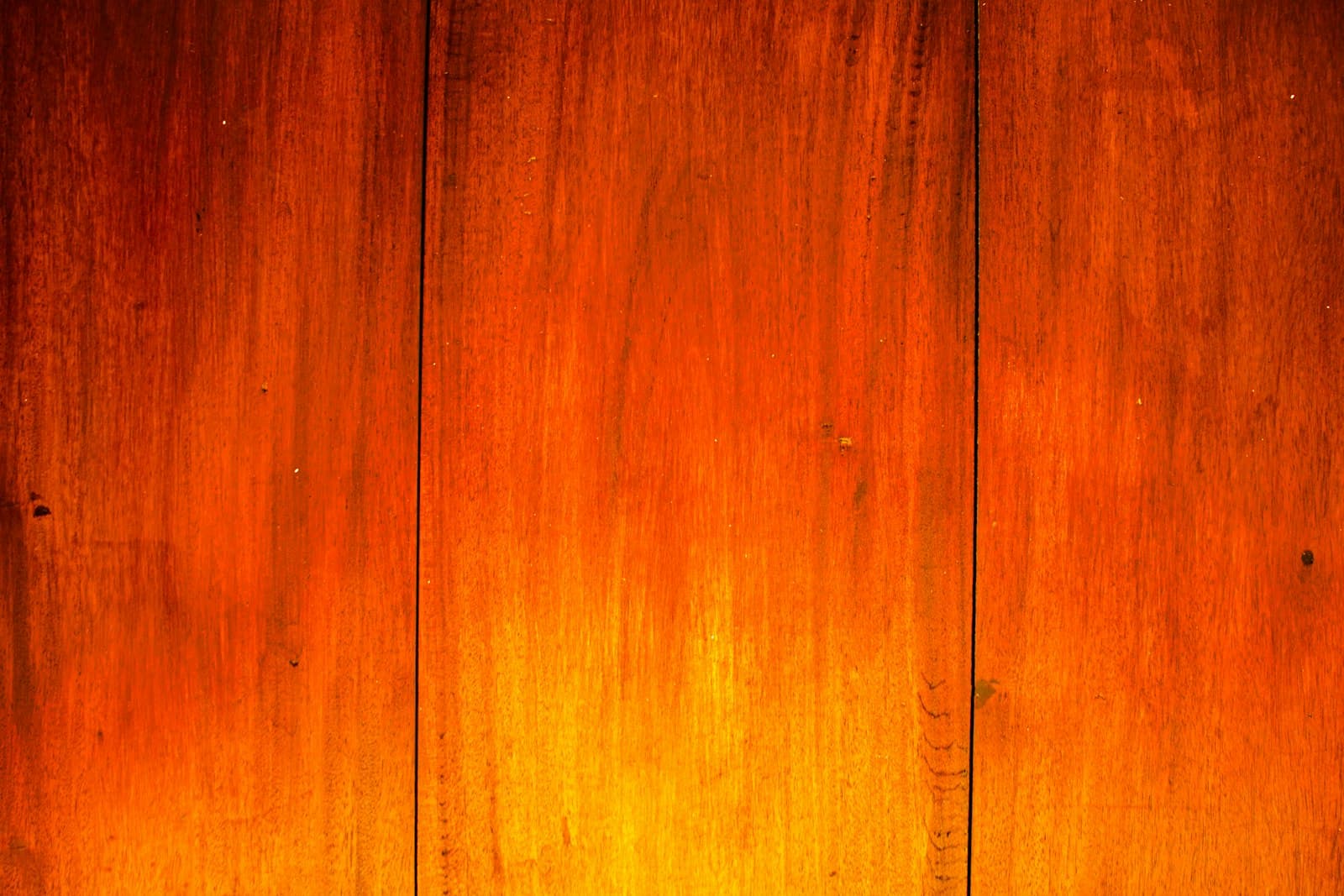
Padauk
Vivid orange red the moment it's cut, mellowing to a deep russet brown over time in the light. Naturally oily and rot resistant, native to West Africa.
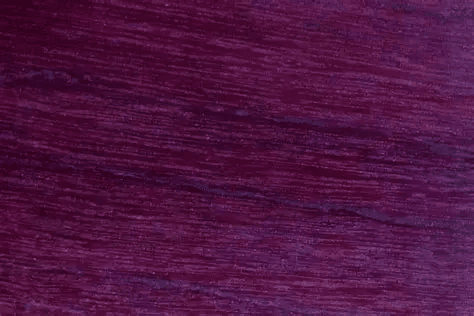
Purpleheart
Cut fresh, it's a genuine violet purple that mellows to a deep plum brown with UV exposure. Dense, heavy, and naturally resistant to rot, from Central and South America.
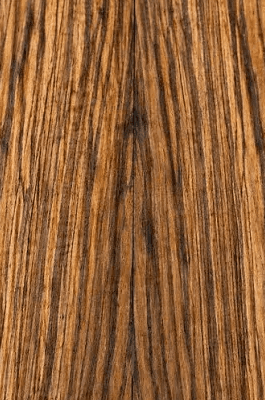
Zebrawood
Dark chocolate streaks running through a warm golden base, no two boards striped alike. Hard, dense, and West African in origin.
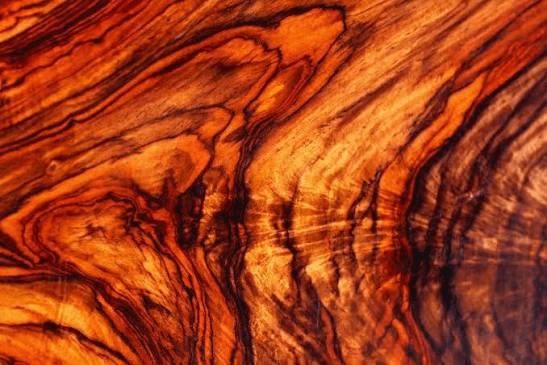
Cocobolo
Streaks of orange, red, and black in a single board, naturally oily enough to shrug off water without a finish. One of the densest woods on this list, native to Central America. We finish it with extra care since the dust can irritate sensitive skin.
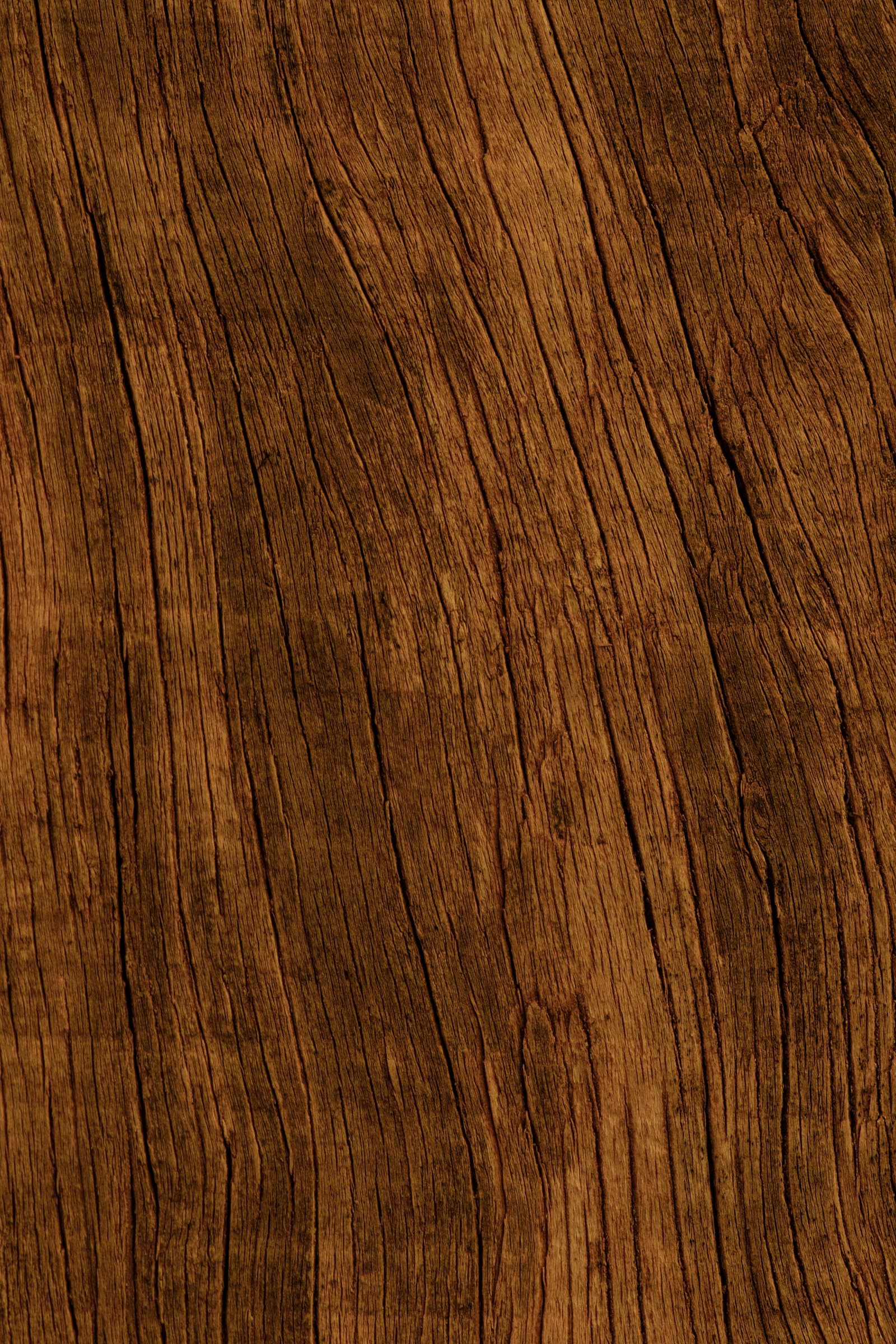
Rosewood
Rich, dark chocolate brown shot through with fine black striping, dense enough to ring like a bell when tapped. The wood behind guitar fretboards for a century, sourced responsibly and used sparingly.
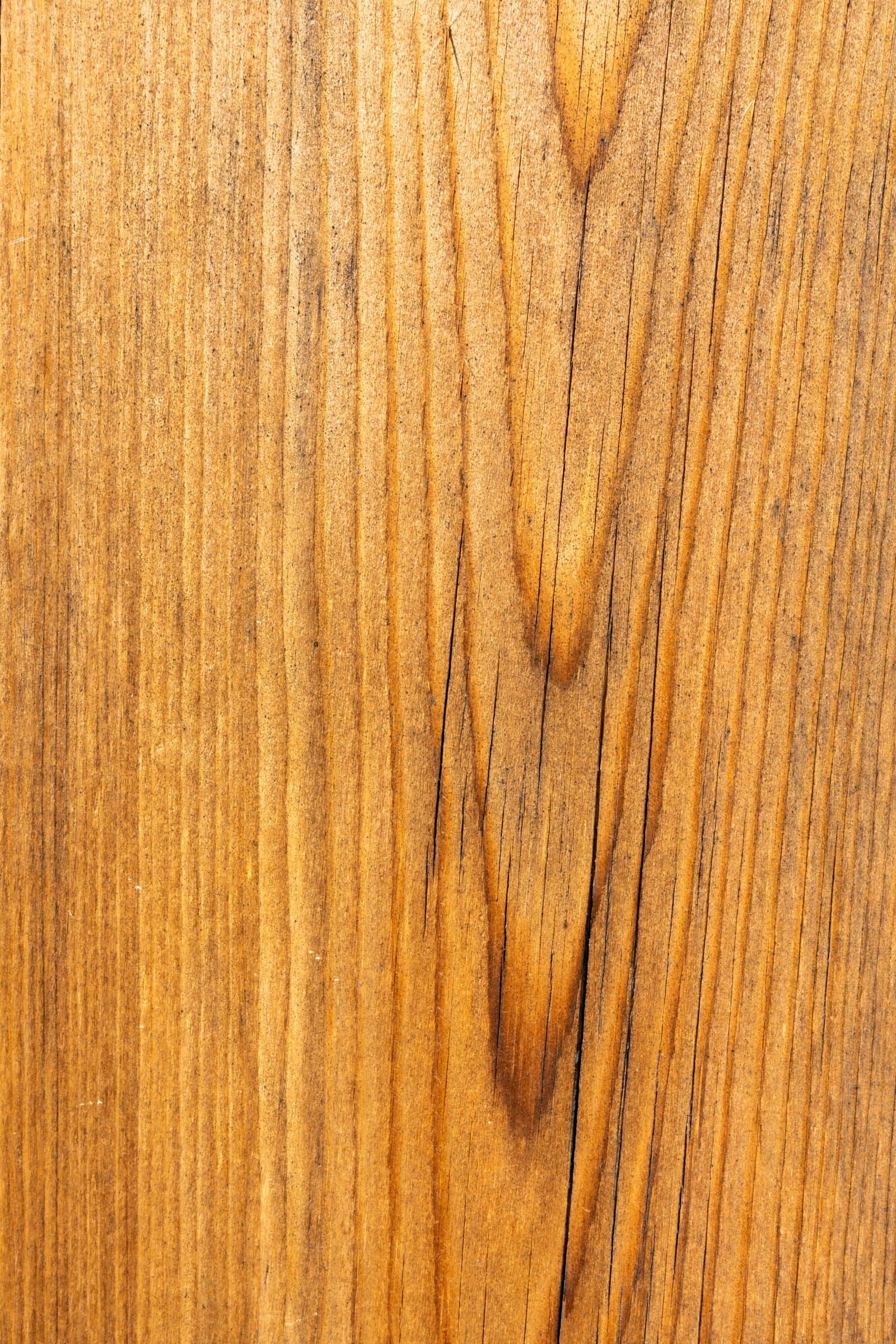
Teak
Golden brown with a natural oil content so high it shrugs off water, sun, and rot without any finish at all, the same reason it's covered boat decks for centuries.
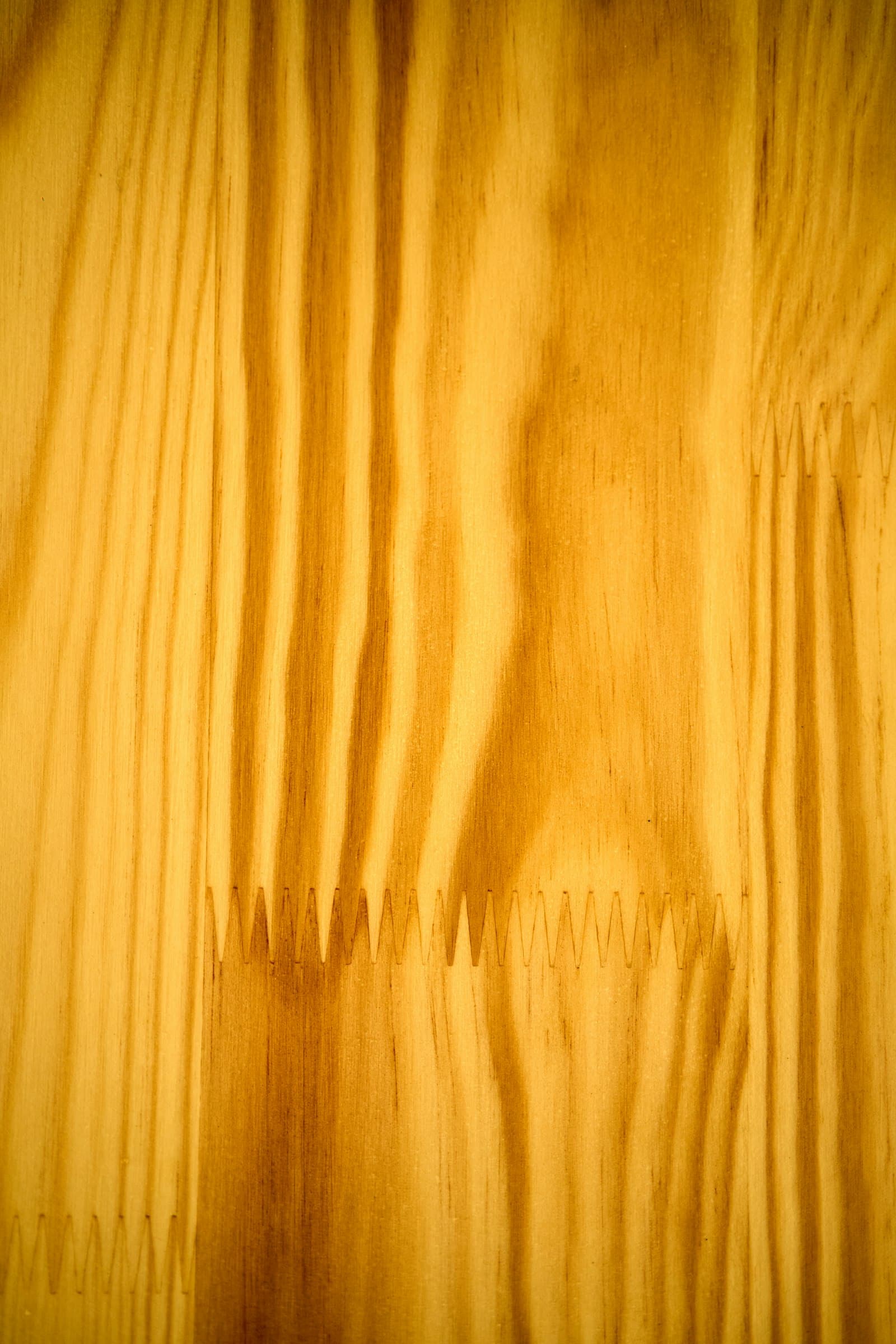
Yellowheart
A bright, true yellow unlike anything else on this list, dense and stable enough to hold its color and shape for years. Native to Brazil and French Guiana.